
EATING SANSAI 山菜: indulgence, bitterness, and cooking vegetables to their full potential
A Cup O’Noodles luncheon in the forest, then a drunken tempura dinner after foraging.


After my first few weeks as an exchange student in Tokyo, I longed for a break from the city’s labyrinthine metro stations and smoky izakayas. A Facebook post about foraging for sansai, meaning “mountain vegetables”—referring to a variety of tiny buds and sprouts that only emerge during specific weeks of spring—caught my eye.
A few weeks later, I found myself scrambling up a muddy slope in Iwate prefecture, 400 miles north of Tokyo, searching for ferns with a sharp knife strapped to my ankle and a bear bell jingling on my arm. My guides were Quinn, an energetic American YouTuber who had spent the past decade in northern Japan, and Haruo-san, an older local outdoorsman. Dressed in jumpsuits and well-versed in the land, they generously let me tag along on one of their foraging trips.
We started hiking in the trees, cautiously scanning for bear poop indicating any unwelcome company. Our first find was the sanshō tree, a member of the citrus family closely related to the Szechuan peppercorn. Haruo whistled when he spotted the tree and gently plucked a few leaves. They released an aroma reminiscent of crushed tangerine peels. Nibbling the edge of a leaf delivered a slight tingle and numbing sensation, just like a Szechuan peppercorn, and was evocative of yuzu kosho, the Japanese fermented citrus and chili condiment.
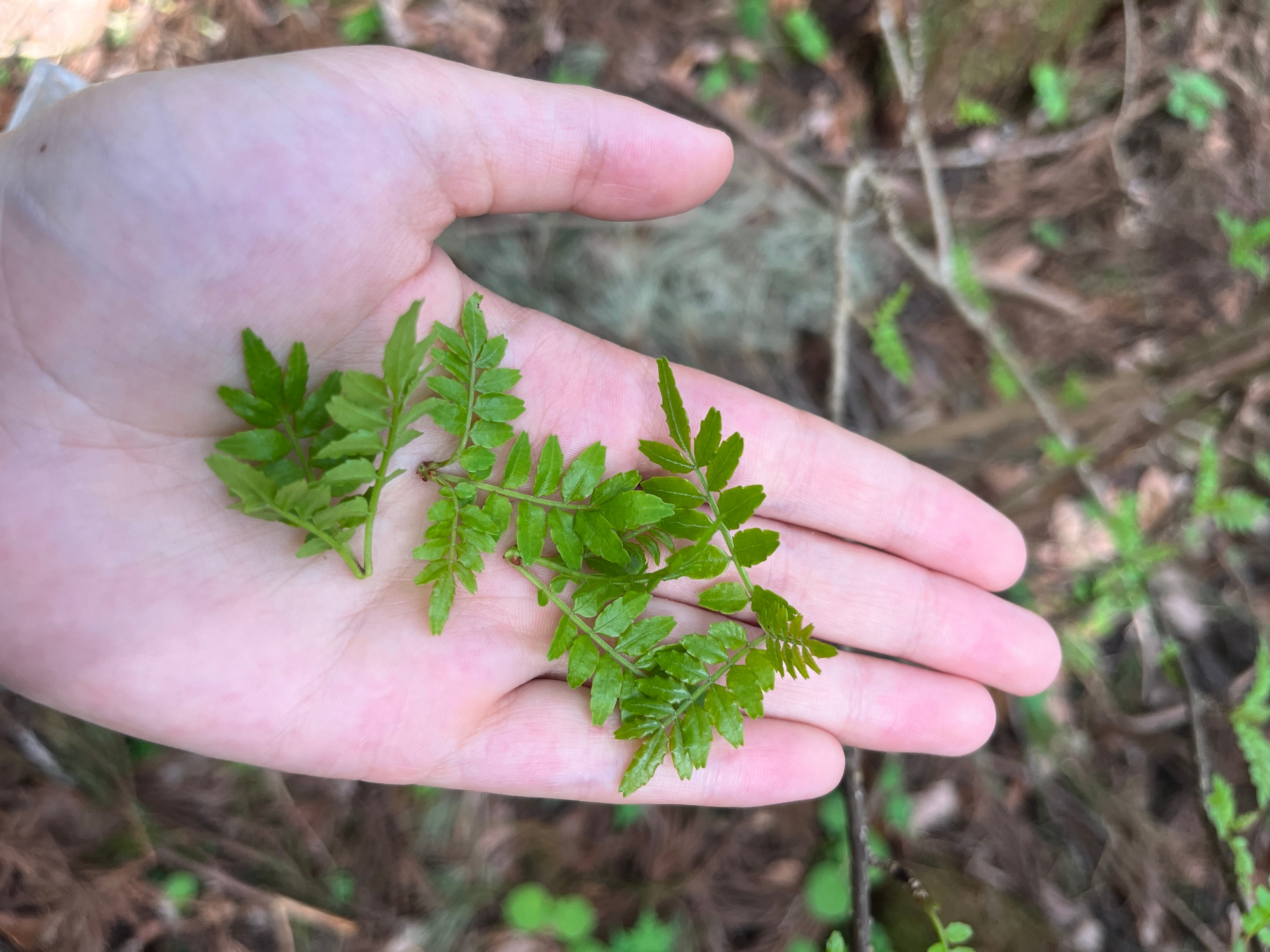
After enjoying the peppery citrus of the sanshō leaves, we moved on to the crown jewels of the sansai kingdom.
The royal family of sansai is made up of tree buds. Quinn bent down the branches, and with clippers, we snipped off young, tender leafy buds from the Koshiabura—the “queen of sansai”—and Tara no me, the “king of sansai,” the shoots from the top branches of the Angelica tree. Their flavor reminded me of Italian puntarelle: a crisp and squeaky texture, with a throat-burning hint of camphor.
We then put on heavy boots and waded into the water, spotting tight curls of kogomi, fiddlehead ferns, nestled in the bank. Then we found the prize: wild wasabi, its tiny white flowers bobbing in the clear stream. Its short and knobbly underground rhizome is ground into the familiar green condiment served with sushi, but the leaves, stems, and flowers are all edible. Haruo crushed some leaves and stems in a Ziploc bag, adding salt, sugar, and warm water. A few spoonfuls of the wasabi mixture leave a clean heat on our tongues, milder and more vibrant than the usual wasabi paste. Now we were ready for the main event—lunch.
Along the way to the mountainous area of Hanamaki, we stopped in a convenience store to get materials for a perfect foraged lunch in the woods– three containers of Cup Noodle Original (“Cup Noodle” is the Japanese answer to “Cup Noodles”— yes, they’re different). We boiled a tangle of stinging nettles and yomogi, Japanese mugwort, used to make fragrant mochi, and stuffed the shoots and leaves in our styrofoam instant noodle cups. "Sansai ramen," as Haruo and Quinn named their concoction with a smirk, is an unholy combination of the ultra-processed and the wild, wholly out of character with seasonal Japanese food, which typically celebrates an uncontaminated union with nature.


I admit to enjoying a bit of impurity every once in a while. While working at Chez Panisse, the acclaimed home of farm-to-table Californian food, my coworkers and I enjoyed seasonal treats like sun-warmed apricots and inhaling the coconut scent of crushed fig leaves– but also snuck Jack Daniels, Twizzlers, and Nacho Xplosion Takis, which we hid between counters and behind lowboy refrigerators. Moral purity only goes so far, after all. Despite the salty broth, you could still taste the herbaceous notes of each plant in the sansai ramen.
Our gourmet lunch had one last course: we grilled takenoko, young bamboo shoots, peeling back their papery stalks to reveal tender, bright-green inner shoots. Finally, we drank cold water from the stream out of fuki leaves (see Totoro’s hat above) before waving goodbye to the forest.
Grilling takenoko, young bamboo shoots, during our forest picnic.
Quinn and Haruo dropped me back off at my ryokan, a small, family-run traditional Japanese inn that offers hot spring baths and homemade breakfasts. The night before, I dined at the bar of the ryokan restaurant with a few locals. When I mentioned that I had traveled all the way from Tokyo to Iwate to forage for wild vegetables, I was met with raised eyebrows. But Miki-san and her husband, Daisuke-san—the proprietors of Kumagai Ryokan—were thrilled. Daisuke, who runs the kitchen, had told me to bring back whatever I harvested, promising to craft a special menu around it.
I returned with muddy knees and brambles in my hair, and Miki helped unload all the vegetables while pouring me a single malt whiskey highball. I was graciously welcomed into the kitchen, and then the tranquil rhythm of foraging gave way to a restaurant prep shift at breakneck speed.
The sansai were unpacked in a flurry, the kitchen buzzing with the same rush to get ready for service that I recognized from my time working at restaurants 5,000 miles away. Daisuke soaked everything in cold water to help leech out the harsher flavors, and then he started on the tempura.
Fry anything and it will taste good, but tempura also highlights the fleeting nature of sansai— it adds a second layer of impermanence, where the vegetables must be eaten immediately to fully appreciate their delicate nature.
Daisuke started with very cold sparkling water, flour, and starch—all fairly standard tempura business—but he added a generous pour of sesame oil to the batter, lending it a nutty flavor. He dredged the leaves in starch and flour before dipping them into the batter and slowly dragged the leaves back and forth in the hot oil before letting go with his fingers, drizzling more batter on top and swirling the crunchy bits around each vegetable to give them an extra layer of batter.
Next, he blanched the ferns and mixed them into a healthy quantity of mentaiko, spicy pollock roe, and Kewpie mayo. He gave the same treatment to the angelica buds, then blended them with salt and sugar. After briefly frying the ground buds in oil with a heaping spoon of brown miso, he finished the dish with a sprinkle of sesame seeds and dried bonito flakes, serving it warm.
The wild wasabi appeared multiple times during the dinner– Daisuke spooned tsuyu, sweet dipping broth, over the wilted leaves, giving a sugary zing. He grated the rhizomes into a greyish paste, serving it with thick slices of tuna sashimi. He decorated the plate with shiso leaves and a briny, crunchy seaweed, then stuck the wasabi root ends on the plate, as a testament to their wild origins.


The ryokan restaurant transformed into an impromptu sansai festival. An elderly woman who had heard about the special dinner dropped by with a bag of gyoja ninniku, wild alliums. Soon the dining room was packed to the brim, with no room left for walk-ins. Daisuke, the blushing chef, was met with applause from a room full of delighted eaters.
A few highballs in, I began to lose track of what was happening: my notes started to get a little sloppy, and the pages were stained in a wild olive oil spill. A final dish arrived: salt pork, kogomi, garlic, thin slivers of red chile, and angelica buds submerged in a deep pool of oil, with toasted baguette on the side.
What did the ramen and the tempura feast have in common? They contrasted the philosophy I initially expected of sansai cooking: highlighting bitterness– perhaps a projection from Jewish Passover Seders, in which bitter herbs are eaten as a reminder of the life of bitterness to be left behind when the Jews fled Egypt; there’s no bacon or miso to ease the harshness. Dinner seemed to come with a great deal of nostalgia for the older crowd; sansai are seasonal treats, but they also recall bittersweet memories of poverty in wartime Japan.
The royalty of California spring vegetables—verdant peas, asparagus, and baby artichokes—are generally mild, crisp, and sweet. Sansai are different. They are often not “easy” flavors like their Californian counterparts, but are instead pungent, spicy, earthy, herbal, and bitter. Their bitterness comes from polyphenols, the same type of antioxidants that make extra virgin olive oil so peppery and nutritious.
California cooking ostensibly revolves around a key philosophy: Simple is Best. Both my ramen lunch and ryokan dinner highlighted that when using beautiful ingredients like sansai, we don’t need to do a lot to make them taste good. This was the ethos I’ve learned cooking at Chez Panisse– we work with what’s seasonal and never want to take it beyond recognition, trying to use technique, good taste, and imagination to be humble stewards of high-quality food.
My sansai meals embodied my favorite principle of cooking vegetables: bringing out their full potential by mastering the art of taming bitterness and balancing bold flavors with salt, sugar, and fat. Think Kewpie mayo, miso, sugar, or the salty richness of Cup Noodle broth. When we spoon lardons and pork fat over frisée, fold nettles into ricotta for ravioli, or fry the aptly named bitter melon with peanut oil and eggs, we’re celebrating the indulgence of fat while taking the time to savor the "acquired taste" of these vegetable treats.
Eat more wild, one bite at a time. Before you dive into plucking snails off bushes or crouching on sidewalks to make salads from dandelion greens, it’s okay to start small. California offers small edible treats everywhere from nasturtium, rosemary, and fennel fronds, to wild radish and mustard flowers, allium blossoms, and fig leaves. Pay attention while foraging, and follow the honorable harvest principles outlined by Robin Wall Kimmerer.
And what is foraging if not the art of paying attention? The Cup Noodles and sansai union felt like a tribute to culinary hedonism; we should eat and celebrate everything, and we can negotiate a connection between city and nature through our plates in our modern lives.
What a delicious journey into the hidden world of a Japanese forest!
Eat more wild!!!